Dulwich Picture Gallery event rubbish removal and recycling plan
Posted on 24/08/2026
Dulwich Picture Gallery Event Rubbish Removal and Recycling Plan
Planning an event around Dulwich Picture Gallery is exciting, but the cleanup can creep up on you fast. One minute you're focused on guests, signage, catering, and the final soundtrack; the next, you're staring at stacks of cups, packaging, food waste, cardboard, and a few awkward items that do not fit neatly into a bin bag. A solid Dulwich Picture Gallery event rubbish removal and recycling plan keeps that final stage calm, tidy, and far more efficient.
This guide breaks down how to manage event waste in a way that is practical, responsible, and realistic for a Dulwich venue setting. We'll cover planning, segregation, collection timing, recycling, compliance, common mistakes, and the kind of simple decisions that save a lot of hassle later. If you're also weighing local logistics more broadly, you may find this guide to access and timing issues in Dulwich useful for thinking through vehicle access and collection windows.
Let's face it: event waste isn't glamorous. But done properly, it protects the venue, supports sustainability goals, and helps your event end on a high note rather than in a rush at closing time.
Why Dulwich Picture Gallery Event Rubbish Removal and Recycling Plan Matters
Event waste is more than a tidy-up issue. It affects guest experience, staff safety, venue presentation, and how responsibly the event reflects on everyone involved. A gallery event, in particular, tends to attract a mix of catering waste, printed materials, packing waste, florals, and decorative items, which means the waste stream is usually more varied than people expect.
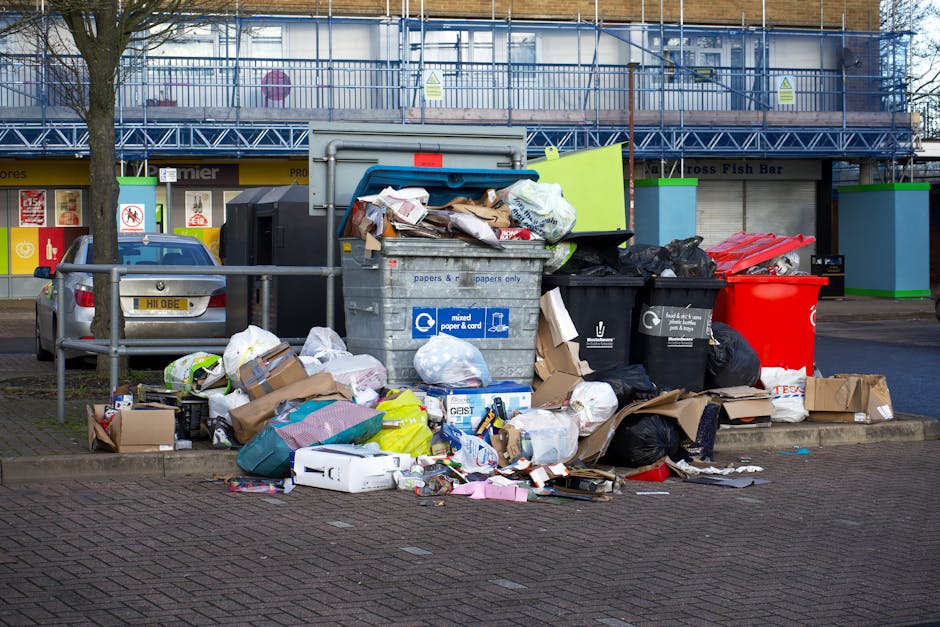
A clear plan matters because waste builds quickly in a live event setting. If there's no system, recycling bins get contaminated, bags overflow, and staff end up making last-minute decisions in a hurry. That is where avoidable mistakes happen. Someone puts food-soiled paper into clean cardboard. A volunteer puts glass where mixed recycling should go. The back-of-house area becomes cluttered. Small things, but they add up.
There's also a reputational angle. Dulwich Picture Gallery events often feel refined, curated, and close to the detail. Waste handling should match that standard. Guests notice the little things, even if only subconsciously. Clean waste points, clear signage, and prompt removal help the whole event feel cared for.
And then there is sustainability. Most organisers want to reduce landfill use, but good intentions need a simple system behind them. That's why an event rubbish removal and recycling plan is less about "taking bins away" and more about managing materials from the moment deliveries arrive. If you want a broader view of sustainability-led waste handling, the article on recycling and sustainability is a useful companion read.
How Dulwich Picture Gallery Event Rubbish Removal and Recycling Plan Works
The best plans are built in layers. First, you map the event waste types. Then you decide where each stream goes, who monitors it, when collection happens, and how post-event disposal will be handled. Simple in theory. Slightly fiddly in practice, as these things often are.
For a gallery event, waste typically falls into a few categories:
- Dry mixed waste such as broken packaging, napkins, and non-recyclable disposables
- Cardboard and paper from deliveries, marketing materials, and packaging
- Food and drink waste from catering and hospitality
- Glass from bottles and drinks service
- Special items like damaged decor, exhibition build leftovers, or occasional bulky items
Each waste stream should be separated at source whenever possible. That means placing the right bins in the right places, not just storing everything in one back area and hoping it'll sort itself out later. It rarely does. Recycling works best when it is easy for staff and guests to use correctly.
The removal side should be timed around event phases. Pre-event waste may include installation debris and delivery packaging. During the event, you need regular bin checks and quick emptying to prevent spillover. After the event, you want a planned collection that clears the site efficiently and safely, ideally without disrupting venue operations the next morning.
If the event includes setup materials, signage, or operational clutter beyond ordinary event litter, it may help to think like a project clearance rather than a simple collection. That's where a service such as builders waste disposal in Dulwich can be relevant, especially if you are dealing with installation offcuts, timber, or packaging from staging work.
In practical terms, the process usually looks like this:
- Estimate the type and volume of waste expected.
- Assign bins or collection points for each waste stream.
- Brief staff and volunteers on what goes where.
- Schedule monitoring during the event.
- Arrange post-event collection and responsible sorting.
- Review what worked, and what didn't, before the next event.
Key Benefits and Practical Advantages
A well-run waste plan does more than prevent mess. It quietly improves the whole event operation.
1. Faster turnaround after the event
When waste is already separated, post-event clearance is quicker. That matters if the venue needs to reset for the next day's schedule, or if you're working within tight access windows.
2. Better recycling outcomes
Contamination is one of the biggest reasons recyclable material ends up treated as general waste. A clear segregation system gives cardboard, bottles, and suitable packaging a far better chance of being recycled properly.
3. Cleaner guest and staff areas
Overflowing bins create a sense of disorder. Nobody wants to queue for a drink past a stack of loose waste bags. A neat collection strategy keeps the event space looking intentional.
4. Lower risk of smells, pests, and slips
Food waste, liquid spillages, and scattered packaging can create avoidable hygiene and safety issues. If you've ever worked an event where the bin area got warm by late evening, you'll know exactly what I mean. Not pleasant.
5. Easier compliance and better records
For organisers who need to show responsible disposal, having an obvious plan makes it much easier to explain what happened to each waste stream. That can be useful for internal reporting or venue requirements.
6. Stronger sustainability messaging
Guests increasingly expect events to do more than look polished. They want them to be mindful. A visible recycling plan supports that message without being preachy about it.
There's a business case too. Efficient waste handling can reduce hidden costs such as extra labour, return visits, or emergency collections. If you want to dig into that side of things, this article on hidden rubbish removal costs is well worth a look.
Who This Is For and When It Makes Sense
This kind of plan is useful for anyone running a public, private, or invite-only event at or around Dulwich Picture Gallery. That includes event organisers, venue teams, caterers, exhibition installers, wedding planners, and brands hosting launches or receptions.
It makes particular sense when:
- you expect catering waste and drink service waste
- there will be installation or take-down materials
- you need clear separation between recyclable and non-recyclable items
- your event has multiple suppliers arriving and leaving at different times
- the venue requires a tidy post-event handover
- you want to avoid relying on ad hoc bin bag decisions at the end of the night
It is also useful for smaller events, not just bigger ones. In fact, small events often skip planning altogether because the waste volume looks manageable. Then the room fills up faster than expected, the bins are in the wrong place, and someone is carrying three half-full bags through a side corridor. Easy to laugh about later. Less funny at 10:45 pm.
If you're comparing approaches for a one-off gathering, the article DIY vs professional rubbish removal is helpful for deciding where the line sits between simple self-management and bringing in specialists.
Step-by-Step Guidance
Here is a practical way to build the plan without overcomplicating it.
1. Walk the event like a waste planner
Before anything else, walk the site and note where waste will be created: catering stations, entrance points, cloakroom areas, bar service, packaging drop-offs, back-of-house prep, and any build or de-rig area. Waste always appears where people are busiest. Always.
2. Estimate waste by stream
Don't just think in bin bags. Think in material types. A reception with boxed catering delivery, glass service, and tableware has a very different waste profile from a lecture or small exhibition opening. Cardboard may take up more volume than expected, while food waste may need more frequent removal than its size suggests.
3. Place bins where people actually use them
Good bin placement is half the job. Put them where decisions happen: near catering, exits, and staff service points. If bins are tucked away behind a curtain or in a corner no one passes, people will improvise, and usually not in your favour.
4. Label every stream clearly
Use simple wording. "Cardboard only" is better than a long technical sign. "Food waste only" beats a paragraph. If you want people to comply, make it obvious in five seconds or less.
5. Brief staff, volunteers, and suppliers
A short pre-event briefing can save a lot of cleanup time. Mention what goes where, who to ask if something is unclear, and how often bins will be checked. The most expensive waste mistake is usually the one nobody mentioned before doors opened.
6. Schedule collection windows
Time the removal around your event flow. Pre-event packaging can often be cleared after setup. Live-event waste may need one or two quick pulls during service. Final clear-out should be timed so bags don't sit overnight unless the venue has agreed that storage is fine.
7. Review contamination points afterwards
After the event, note which bins were used correctly and which ones were mixed. That single review tells you where your system was working and where people got confused. It's a small step, but a useful one.
Expert Tips for Better Results
These are the details that often make the difference between a decent waste plan and a genuinely smooth one.
- Keep recycling streams simple. Too many categories can slow people down. If the event is small, two or three clearly separated streams may be better than six fiddly ones.
- Use liners that match the waste stream. A bin liner that tears easily turns a tidy process into a messy one very quickly.
- Separate food waste early. Food contamination spreads fast and can ruin otherwise recyclable packaging.
- Don't leave cardboard flattening to the end. Flat boxes save space and make loading much easier.
- Have a spare overflow plan. One additional bin or collection point can save an evening if guest numbers rise.
- Check access routes before the event. Narrow entrances, loading issues, or shared corridors can slow collections more than people expect.
A lot of good waste planning comes down to thinking like the person who will clear the site at the end of the night. If you make that person's life easier, the whole event feels better run. It's really that simple.
For a deeper look at how experienced teams work behind the scenes, this behind-the-scenes article on certified waste experts offers a useful perspective.
Common Mistakes to Avoid
Most problems come from assumptions, not bad intentions.
- Assuming one bin type will do everything. It won't. Mixed waste behaves differently from cardboard or glass.
- Placing bins too far from activity. People choose convenience. If the bin is awkward, they will mis-sort or skip it.
- Not briefing suppliers. Caterers and installers often create most of the waste, so leaving them out of the plan is a common gap.
- Ignoring post-event timing. Waste left overnight can lead to odours, pests, or a slower reset next day.
- Forgetting bulky items. Decorations, broken display materials, and protective packaging can take up more space than expected.
- Overcomplicating the recycling system. If signage is confusing, people will default to the nearest bin.
One mild but very real issue: people often worry about "doing it perfectly" and then do nothing at all because the setup feels too much. Better a simple, workable plan than a beautifully designed one nobody follows. That's the honest version.
Tools, Resources and Recommendations
You do not need fancy software to manage event waste well. A few sensible tools and habits are usually enough.
| Tool or resource | What it helps with | Best use |
|---|---|---|
| Colour-coded bins | Quick visual sorting | Guest-facing and staff-facing collection points |
| Simple printed signage | Reducing contamination | Bins near catering, exits, and prep areas |
| Collection timetable | Keeping waste from building up | Events with service periods or staged programme timing |
| Waste stream checklist | Staff clarity and consistency | Briefing pack for organisers, volunteers, and suppliers |
| Post-event review notes | Improvement for the next event | Recurring gallery hires, exhibitions, or seasonal events |
From a service perspective, it often helps to work with a provider that understands both domestic and commercial waste patterns. Event waste can sit somewhere between the two, especially when there is setup, take-down, or leftover stock involved. If your event includes larger clearances after staging, the services overview is a sensible place to understand the wider range of waste support available.
If you are comparing operational costs, it is also worth reading this piece on rubbish removal costs so you can think in a more realistic way about budgeting and service scope.
Law, Compliance, Standards, or Best Practice
Waste handling in the UK is shaped by general legal duties, venue requirements, and accepted industry practice. For event organisers, the safest approach is to treat waste as something that must be handled responsibly, kept separate where possible, and passed to appropriately authorised collectors.
Without getting too legal about it, the key idea is straightforward: you should know what the waste is, how it is stored, who is removing it, and where it is going. That helps reduce risk and supports traceability. It also protects the venue, because a beautiful gallery space is not the place for casual rubbish habits.
Best practice usually includes:
- using suitable containers that are not overloaded
- keeping waste clear of walkways and emergency routes
- separating recyclable streams where practical
- avoiding contamination of materials like cardboard and glass
- making sure waste is removed by a competent and appropriately licensed operator
- keeping records where the venue or organiser needs them
Health and safety also matters. Loose bags, sharp packaging, broken glass, and food spillages can create avoidable hazards. If the event includes setup or de-rig activity, the link between safe waste handling and safe working conditions becomes even more obvious. For that side of things, this workplace safety and compliance guide is relevant reading.
It's also wise to work with teams who are insured, careful with access, and clear about what they can and cannot take. That sounds basic, but basic is often what protects an event when things get busy.
Options, Methods, or Comparison Table
There are a few common ways to manage gallery event waste. The right choice depends on size, timing, and how much control you want over recycling.
| Method | Best for | Pros | Trade-offs |
|---|---|---|---|
| On-site bin segregation | Smaller to medium events | Simple, fast, low disruption | Needs clear signage and staff discipline |
| Scheduled collection during the event | Events with high footfall or catering | Prevents overflow and keeps areas tidy | Needs access coordination |
| Post-event clearance only | Very small events | Easier to organise in advance | Risk of clutter and contamination if bins fill too quickly |
| Full-service waste management | Larger or more complex events | Less stress, better control, more reliable sorting | More planning required |
For event managers who want less fuss and more certainty, professional removal is usually the cleanest option. For tighter budgets or very small gatherings, a well-planned in-house system can work too. The trick is knowing which route matches your reality, not your ideal version of the day.
If you are deciding between approaches, this comparison of skip bins and other options can help you think through space, cost, and convenience in a more grounded way.
Case Study or Real-World Example
Here's a realistic scenario. Imagine a private evening event at Dulwich Picture Gallery with a drinks reception, finger food, printed programmes, floral arrangements, and a small amount of staging for guest speakers. Nothing wild. Just a classic, polished event.
Without a plan, the likely outcome is a messy back area by the second hour: mixed bags, cardboard leaning against a wall, bottles in the wrong bin, and a few stray items that don't have a home. The team then spends the final part of the night sorting through it all when they should be focusing on guests and close-down.
With a proper plan, it looks different:
- cardboard from deliveries is flattened immediately
- food waste is separated from dry packaging
- glass is collected in the right container
- staff do quick checks during the event
- final waste is removed on schedule after close
The result is not just a tidier site. The event finishes with less stress, less contamination, and a smoother handover to the venue team. That kind of quiet efficiency is what good event operations look like, even if nobody claps for it. Actually, that's the point - if waste management is working, it barely gets noticed.
For organisers who want more local context on hosting events in the area, this guide to celebration venues in Dulwich provides a broader look at event planning in the neighbourhood.
Practical Checklist
Use this before the event, and again on the day if needed.
- Identify every likely waste stream: food, glass, cardboard, general waste, and any bulky materials.
- Place bins where people will naturally use them.
- Label bins in plain English.
- Brief staff, volunteers, caterers, and installers.
- Plan collection timing for setup, live event, and close-down phases.
- Keep walkways and exits clear.
- Prepare a backup bin or overflow option.
- Flatten cardboard as soon as it is safe to do so.
- Keep food waste away from recyclable materials.
- Check the final site before handover.
One small extra tip: take a couple of photos of the bin setup before doors open. It sounds mundane, but it gives you a clear reference if staff rotate during the event or if you run the same format again later.
Get a free quote today and see how much you can save.
Conclusion
A good Dulwich Picture Gallery event rubbish removal and recycling plan is not just about clearing up afterwards. It helps the event run more smoothly from the start, keeps waste under control, supports recycling, and reduces the chance of awkward last-minute problems. The best plans are simple, visible, and easy to follow under pressure.
If you remember only one thing, make it this: plan for waste the same way you plan for catering or guest flow. It deserves that level of attention. Not because it is glamorous, but because it protects everything else you have worked hard to create.
With the right setup, the final bag goes out quietly, the room resets cleanly, and the event ends the way it should - with a sense that everything was handled properly. And honestly, that feels pretty good.


Copyright © . House Clearance Dulwich. All Rights Reserved.