Lordship Lane commercial rubbish removal for Dulwich shops
Posted on 14/07/2026
Lordship Lane Commercial Rubbish Removal for Dulwich Shops: A Practical Guide for Busy Retailers
If you run a shop on Lordship Lane, rubbish has a habit of building up in the background while you deal with customers, deliveries, stock rotation, and the daily rush. One broken display, a few flattened boxes, a pallet wrap pile, and suddenly the back area feels cramped. That is where Lordship Lane commercial rubbish removal for Dulwich shops becomes less of a nice-to-have and more of a smooth-operating necessity.
In a busy retail stretch like Lordship Lane, waste is not just waste. It affects presentation, safety, stock flow, and even how calmly your team can work. This guide breaks down how commercial rubbish removal works, when it makes sense, what to avoid, and how Dulwich shop owners can manage waste more efficiently without overcomplicating the process. Simple, practical, and hopefully a bit more helpful than a generic checklist.
Why Lordship Lane commercial rubbish removal for Dulwich shops Matters
Retail units on Lordship Lane tend to work in compact spaces, which means waste can become visible fast. A shopfront may look polished, but if cardboard, packaging, damaged fittings, or old stock are left in a cramped back-of-house area, the pressure starts to show. Staff spend more time navigating clutter. Suppliers struggle to unload. Customers may even notice when bin areas overflow. Not ideal.
For Dulwich shops, commercial rubbish removal is about more than keeping the place tidy. It supports the daily rhythm of trading. When waste is removed consistently, staff can get on with serving customers instead of moving bags around like a game of real-life Tetris. It also helps protect stock, reduce trip hazards, and keep emergency exits and access routes clear. That last part matters more than many business owners realise.
There is also the customer experience. On Lordship Lane, presentation is part of the brand. Whether you run a boutique, a cafe with retail shelving, a florist, or a specialist convenience shop, the clean-up behind the scenes shapes how efficiently the front of house runs. A tidy loading area and a predictable waste routine can make a small shop feel genuinely more professional.
If you are considering broader local services as part of your planning, it can help to look at the wider Dulwich context too. Articles like Experience the Allure of Dulwich: A Local's Guide to London's Charming Suburb and Is Dulwich the Right Place for You? offer a useful sense of the area's character, footfall, and local pace.
How Lordship Lane commercial rubbish removal for Dulwich shops Works
Commercial rubbish removal is usually a straightforward process, but the details matter. For shops, it typically starts with a quick assessment of the waste type, access points, and timing. Some retailers need early-morning collections before opening. Others prefer an after-hours clear-out when the day's trading is done and customers are gone. To be fair, that flexibility is often the whole point.
In practice, a team will usually:
- review what needs removing: cardboard, general waste, broken fixtures, packaging, old shelving, or mixed shop waste
- confirm access: rear lane, side passage, front door, basement steps, or shared commercial entrance
- agree a collection time that avoids trading disruption
- load and remove the waste safely
- sort items for recycling, reuse, or disposal where possible
- leave the area clear and ready for business
For some shops, the waste is mostly light but bulky. Think cardboard sleeves, carrier bags, broken display units, and packaging from deliveries. For others, it is heavier and more awkward, such as shelves, dismantled counters, or shopfitting offcuts. If you have recently updated your premises, you may find this overlaps with refurbishment waste too. In that case, services like builders waste disposal in Dulwich can be relevant alongside commercial collection.
One thing shop owners often appreciate is that the process can be scaled. You do not need a massive one-off clearance every time. Sometimes a smaller, regular service is the smarter move, especially if your waste pattern is steady. Other times, a one-time purge after a stock reset is all you need. There is no one-size-fits-all answer, annoyingly, but that is also what makes a proper tailored service worthwhile.
Key Benefits and Practical Advantages
The strongest reason to use commercial rubbish removal on Lordship Lane is not just convenience. It is the ripple effect it has on the rest of the business. When waste is managed properly, a shop runs with less friction.
1. Better use of space
Retail storage is always tighter than it first appears. Removing unused packaging, broken stock, and old equipment frees up room for inventory, seasonal displays, or even just a safer walkway.
2. Faster staff workflows
Nobody wants to spend ten minutes shifting rubbish every time a delivery arrives. Regular removal keeps back-of-house routines simpler and quicker.
3. Improved first impressions
Even if rubbish is out of public view, a clean premise tends to feel more organised. That mindset carries into the front of house. Customers notice more than we like to admit.
4. Safer working conditions
Clutter is a practical hazard. Loose cardboard, sharp packing bands, and stacked items can cause trips, cuts, or blocked access. If you want a broader discussion of workplace safety and disposal, see how proper waste disposal boosts workplace safety and compliance.
5. More reliable compliance habits
Good waste routines make it easier to separate materials, keep records where needed, and avoid accidental misuse of bins or storage areas. This is especially helpful for shops that handle mixed packaging, occasional food waste, or refurbishment debris.
6. Less stress on busy days
Let's face it, retail work already comes with enough moving parts. Having rubbish professionally removed removes one recurring headache. Small thing, big relief.
Who This Is For and When It Makes Sense
Not every Dulwich shop needs the same waste solution. Some stores generate steady light waste. Others go through bursts of disposal after promotions, deliveries, seasonal changes, or refits. The right time to use Lordship Lane commercial rubbish removal is usually when the waste starts affecting operations rather than just existing in the background.
This service makes sense for:
- independent retailers with limited storage space
- cafes, delis, and food-adjacent shops with regular packaging waste
- fashion and gift shops with large delivery volumes
- shops clearing old fixtures, shelving, or promotional material
- businesses moving units or changing layouts
- shops preparing for seasonal resets, stock takes, or rebrands
It also suits owners who are trying to stay nimble. If you only need occasional removals rather than a fixed long-term waste contract, a flexible commercial clearance option can be more practical. For businesses that want the bigger picture, the services overview can help you understand how shop, office, and wider waste support may fit together.
A good rule of thumb: if rubbish is taking up storage, slowing deliveries, creating a mess near the stockroom, or making staff avoid certain areas, it is probably time to sort it properly.
Step-by-Step Guidance
If you are arranging rubbish removal for a Lordship Lane shop for the first time, keep it simple. A calm process is usually a better process.
- Identify what needs clearing. Separate cardboard, mixed waste, reusable items, and heavier bulky materials. Be specific where you can.
- Check access points. Note whether collection needs to happen via the front, rear, a shared alley, or a loading area. Narrow access is very common in retail streets.
- Pick the least disruptive time. Early morning, late evening, or a quieter trading window can make a big difference.
- Bundle and label waste where practical. Cardboard flattened? Great. Fixtures separated from general rubbish? Even better.
- Ask about recycling handling. Some materials should be separated. Good operators will explain what can be diverted from landfill and what cannot.
- Confirm pricing clearly. Make sure you understand whether the quote covers labour, access challenges, waiting time, or heavier items.
- Prepare staff and site access. A quick heads-up to the team avoids confusion on the day.
- Walk the space afterwards. Check that the area is clear and that nothing important has been removed by mistake. It happens, though not often if everyone communicates well.
If you want a broader read on how to choose a provider, how to choose reliable rubbish removal in the UK is worth a look. And if you are weighing self-managed versus professional help, DIY vs professional rubbish removal can help you think it through.
Expert Tips for Better Results
Over time, the cleanest and easiest commercial waste setups tend to share a few habits. Nothing dramatic. Just steady, sensible routines.
- Flatten cardboard immediately. It saves space and makes collections faster.
- Keep a small staging area. Even a modest, designated waste corner can stop rubbish drifting across the shop.
- Separate reusable items early. Old shelving, signage, and display parts can sometimes be repurposed or moved on if they are not damaged.
- Plan removals around stock changes. The clean-up feels easier when it is tied to a reset, delivery, or quiet trading period.
- Use the same waste routine every week. Consistency beats heroic clean-ups every few months. Every time.
- Document anything unusual. If you are disposing of electrical items, sharp materials, or awkward mixed loads, make sure the team knows in advance.
One practical tip that sounds obvious but is often ignored: do not let "temporary" waste sit around for weeks. The box becomes a shelf, the shelf becomes a storage pile, and suddenly the corner you meant to clear has become part of the furniture. Happens all the time.
For shops that care about greener disposal, it is worth reviewing recycling and sustainability so you understand how waste diversion and sorting can support a more responsible approach.
Common Mistakes to Avoid
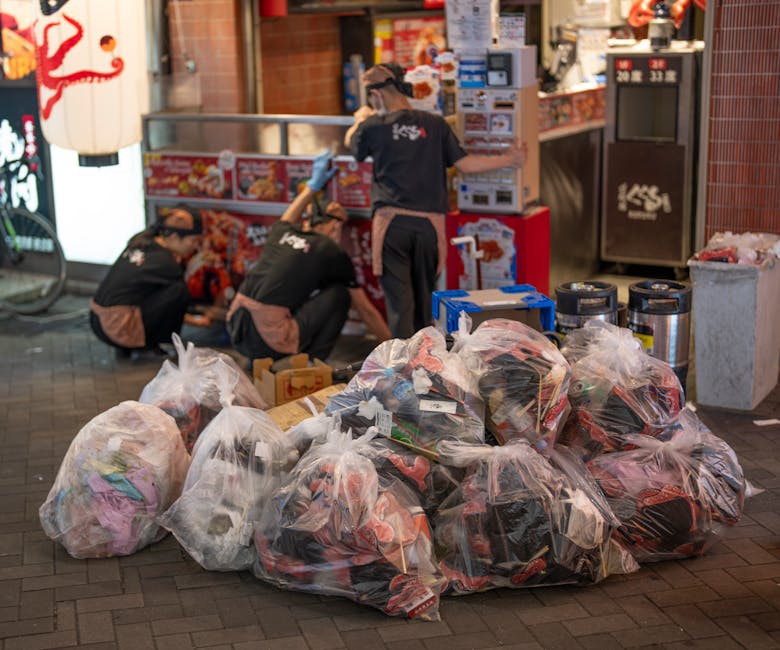
Most waste problems in small retail spaces come from assumptions. A shop owner assumes the waste will fit in the bin. The bin is already full. A staff member assumes a load is all cardboard. It is not. Small misunderstandings, then a mess.
- Leaving collections until the shop is overflowing. By then, the job is harder, slower, and usually more expensive.
- Mixing recyclable and general waste without checking. This can reduce recycling options and cause avoidable handling issues.
- Forgetting about access. Narrow streets, parked cars, and shared entries can all affect the job.
- Underestimating bulky shop waste. Broken shelving and packaging occupy far more room than expected.
- Not asking what is included in the price. Hidden extras are rarely pleasant.
- Using a provider without checking trust signals. Licensing, safety practices, and clear terms matter. If you want more context, what sets our licensed rubbish removal teams apart explains the difference in plain English.
One of the most common mistakes is also the most boring: poor planning. Boring, yes, but expensive. A ten-minute sort-out before collection can save a lot of back-and-forth later.
Tools, Resources and Recommendations
You do not need a complicated system to manage commercial shop waste well. A few simple tools and habits will do most of the work.
- Cardboard cutters or box cutters for breaking down packaging safely
- Clearly marked bins or sacks to separate streams at source
- Basic inventory notes to flag when fixtures, displays, or stock-related waste are due out
- Staff briefing sheets so everyone knows what can be stacked, flattened, or bagged
- Photo documentation before and after a clearance, especially useful after refits or stock changeovers
For shop owners who also manage office areas, back rooms, or shared workspaces, the broader office clearance in Dulwich page may also be useful. And if you are looking at commercial waste as part of a broader service mix, waste removal in Dulwich can help frame the wider picture.
When comparing options, keep a close eye on responsiveness, clarity, and whether the provider seems to understand real shop-life conditions. A smooth provider will ask sensible questions. If they do not, that is a bit of a warning sign.
Law, Compliance, Standards, or Best Practice
Commercial rubbish removal sits in a practical compliance space. You do not need to become a waste-law expert, but you do need to be careful. UK businesses have duties around managing waste responsibly, and that includes using appropriate collection arrangements, storing waste safely, and avoiding improper disposal. If in doubt, it is always safer to treat compliance as part of the service rather than an afterthought.
For shop owners, the everyday best practice is simple:
- use a provider that can handle commercial waste appropriately
- store waste so it does not block exits, staff routes, or customer access
- keep hazardous items separate from ordinary shop waste
- make sure staff understand what goes where
- retain records or paperwork where needed for business waste handling
Safety and compliance are also linked. A cluttered stockroom can become a trip risk, a fire risk, or just a headache during an inspection. Commercial waste is not only about getting rid of things; it is about handling them in a way that protects the people working in the building. That sounds obvious. In the rush of retail, it often gets overlooked anyway.
If you want to understand more about trust, process, and professional standards, insurance and safety and about us are useful reading points for background on service standards and working practices.
Options, Methods, or Comparison Table
Not every shop needs the same approach. Some prefer small, frequent removals. Others want a one-off clear-out after a busy season or refit. Here is a simple comparison to help you think it through.
| Method | Best for | Strengths | Trade-offs |
|---|---|---|---|
| Regular commercial rubbish removal | Shops with steady waste output | Predictable, tidy, low-disruption | Needs ongoing scheduling |
| One-off shop clearance | Refits, stock resets, closures | Fast and thorough | May not suit recurring waste |
| Self-managed disposal | Very small volumes only | Direct control | Time-consuming; risk of poor sorting |
| Skip-based approach | Sites with space and time to manage loading | Useful for larger volumes | Access, permits, and loading effort can be awkward |
For many Lordship Lane shops, professional collection is simply easier because it removes the need to manage logistics in-house. If you are trying to decide whether a skip or collection service is the better fit, are skip bins always cheaper? offers a sensible comparison mindset without the sales fluff.
Case Study or Real-World Example
Here is a realistic example based on the sort of situation many Dulwich retailers face. A small shop on Lordship Lane completes a seasonal reset in early autumn. The back room is full of broken packaging, old signage, a few damaged display items, and stock-room clutter that has been "temporarily" parked there for months. The team can still trade, but barely. Every delivery means moving things around first. Annoying, slow, messy.
Rather than trying to tackle it in bits over several weeks, the owner books a commercial rubbish removal visit outside trading hours. The team arrives, clears the accumulated waste, separates what can be recycled, and removes bulky items that would otherwise sit there for another month. By the next morning, the stockroom is usable again. Staff can move without squeezing sideways. The front of house feels calmer. Deliveries are easier to receive.
What changed? Not the amount of stock. Not the shop layout. Just the waste routine.
That is the quiet value of proper commercial rubbish removal. It does not make headlines. It just makes the shop easier to run. And honestly, that is the win most business owners care about.
If you like practical operational stories, the article commercial rubbish solutions case study from a Manchester business offers a helpful broader example of what organised waste handling can do for a business environment.
Practical Checklist
Use this quick checklist before your next collection or clearance. It keeps things tidy and avoids the usual last-minute scramble.
- Have I separated cardboard, general waste, reusable items, and bulky items?
- Is the access route clear for the collection team?
- Have I told staff when the removal is happening?
- Do I know which items need special handling?
- Have I confirmed the pricing and what it includes?
- Is there enough room for the team to work safely?
- Have I checked whether anything can be recycled or reused?
- Do I need removal outside trading hours?
- Have I kept important stock or paperwork away from the waste area?
- Have I planned the next collection before the waste starts to pile up again?
For shops that prefer to build a steadier routine, you may also find it useful to review rubbish collection in Dulwich as part of a broader waste plan.
Conclusion
For Dulwich retailers, Lordship Lane commercial rubbish removal is really about keeping the business practical, safe, and easy to run. It clears space, reduces friction, supports better presentation, and helps shop teams stay focused on trading rather than shifting rubbish around the back.
Whether you need a one-time shop clearance, regular waste removal, or support after a refit, the best results usually come from simple planning and clear communication. Nothing fancy. Just a reliable process that matches the way your shop actually works.
And that is the real point, isn't it? Not just removing waste, but making the day feel lighter once it is gone.
Get a free quote today and see how much you can save.


Copyright © . House Clearance Dulwich. All Rights Reserved.