Rubbish collection timing and access issues for Dulwich homes
Posted on 07/08/2026

If you live in Dulwich, you will already know that rubbish collection can be a bit more complicated than "put it out and forget it". Narrow front paths, shared driveways, parked cars, garden gates, mews-style access, school-run traffic, and collection windows that do not quite match real life can all get in the way. Add a move, a clearance, or a burst of spring sorting, and timing suddenly matters a lot.
This guide breaks down rubbish collection timing and access issues for Dulwich homes in plain English. We will look at why these problems happen, how to plan around them, what usually works best, and where people commonly trip up. If you want fewer missed collections, less stress on the day, and a smoother pickup overall, you are in the right place.
Why Rubbish collection timing and access issues for Dulwich homes Matters
Rubbish collection timing sounds simple until you are standing at the gate at 6:55am, trying to shift a bulky bag before the bins are due, while a neighbour's car is blocking half the pavement. In Dulwich, timing and access are not minor details. They are often the difference between a clean, efficient collection and a pile of waste sitting outside for another week. Not ideal, frankly.
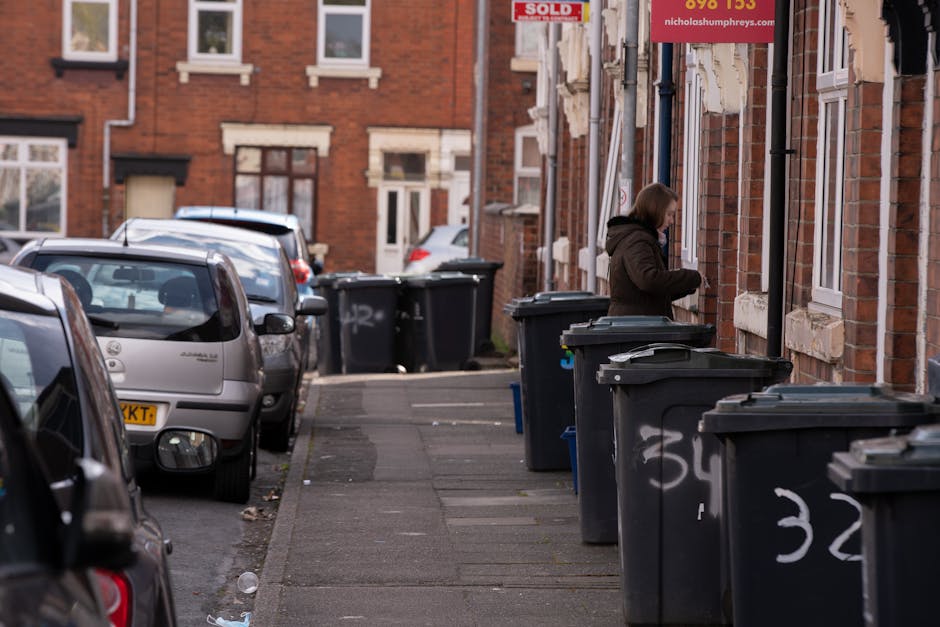
Many Dulwich homes sit on roads where parking pressure is high and kerb space is limited. That means collections can be affected by vehicles, narrow entrances, shared access, or the simple fact that the crew cannot safely reach the waste in time. If you have ever watched a bin lorry or collection team approach a congested street on a busy morning, you will know the rhythm of the neighbourhood matters.
There is also the human side. People working from home, parents on the school run, tradespeople arriving, or a last-minute change to collection day can all create small bottlenecks. A plan that works on paper can unravel fast in a lived-in London street.
That is why local timing awareness matters so much. It helps you avoid missed collections, reduce complaints from neighbours, and keep footpaths clear for everyone. It also helps if you are arranging a private rubbish pickup, because the access rules are usually a little stricter than people expect. If you are weighing up whether private collection is worth it, our comparison of council waste collection versus private services is a useful side read.
How Rubbish collection timing and access issues for Dulwich homes Works
At a basic level, rubbish collection depends on two things: when the waste is available and whether it can be reached safely. That sounds obvious, but in practice there are a few moving parts.
For council-style collections, the waste usually needs to be out by a specific time, in the correct place, and presented in a way that collection crews can handle quickly. If bins are behind locked gates, parked in, or tucked too far back from the collection point, there can be delays or a missed pickup. For private collections, the crew may be able to work around more of these issues, but they still need access, safe handling space, and a realistic route to the waste.
Timing is not just about the clock on collection day. It is also about preparation. For example, if you are clearing a loft on a Friday afternoon and hope for a Saturday pickup, the waste needs to be sorted, bagged, and easy to reach before the crew arrives. If it is not, the job takes longer and can become awkward very quickly.
Access issues can include:
- tight front gardens or narrow side return paths
- gated entries that need someone present to open them
- basement flats or upper-floor properties with stair access only
- shared driveways where cars block loading space
- restricted street parking or yellow lines
- materials stored in rear gardens, sheds, or garages
In practical terms, the easier you make the route from waste to vehicle, the smoother the collection tends to be. This is why many homeowners treat access planning as part of the job, not an afterthought.
If you are planning a bigger declutter, a little advance thinking goes a long way. Our guide on how to prepare for large-scale rubbish clearance is especially useful for the "this has got out of hand" moments.
Key Benefits and Practical Advantages
Once you get the timing and access right, the whole process becomes much calmer. It is one of those practical improvements that does not sound exciting but changes the day completely.
- Fewer missed collections: Waste is ready at the right time and in the right place.
- Less disruption to neighbours: Bags and bins are not left out longer than needed.
- Faster loading: Crews spend less time navigating obstacles and more time clearing the waste.
- Better safety: Clear access reduces trips, awkward lifts, and unsafe manoeuvring.
- Lower stress: You are not scrambling around at the last minute or chasing a collection that never quite happens.
- Cleaner kerbside presentation: This matters in Dulwich, where tidy streets and considerate placement really do make a difference.
There is also a financial angle. If access is poor, jobs can take longer and sometimes require more labour. Even when you are not paying by the minute, delays can affect the ease and cost of the service. For a clearer sense of pricing drivers, see rubbish removal costs in 2024 for UK households and businesses.
Another often-overlooked benefit is goodwill. A tidy, well-timed collection keeps relationships smoother with neighbours, landlords, and managing agents. That may sound small, but in a dense residential patch it can save a few headaches.
Who This Is For and When It Makes Sense
This topic matters to more people than you might think. It is not just for homeowners with overflowing bins. It applies to anyone who has to get waste out of a property without drama.
You will find it especially useful if you are:
- living in a terraced or semi-detached Dulwich home with limited front access
- managing a flat, maisonette, or rental property with shared entrances
- preparing for a house clearance after a move, bereavement, or renovation
- sorting garden waste after a seasonal tidy-up
- removing builders' waste from a rear extension or internal refurb
- trying to avoid early morning bin confusion on a busy road
It also matters if you are a first-time buyer settling into the area and learning how local routines work. Dulwich has a lot of charm, but some of the practicalities are a bit old-school. If you are new to the area, the pieces on first-time buyer tips in Dulwich and navigating Dulwich real estate can help you understand the kind of property layouts you may be dealing with.
And if you are simply trying to keep on top of seasonal clutter, the article on spring cleaning rubbish removal tips for UK homes is a practical companion. Truth be told, spring is when a lot of people first notice how access and timing suddenly become a proper issue.
Step-by-Step Guidance
Here is a sensible way to handle rubbish collection timing and access issues without overcomplicating it.
- Confirm the collection window. Know whether the pickup is morning, afternoon, or a specific slot. Do not assume "sometime Tuesday" means much. It rarely does.
- Map the access route. Walk from the waste area to the street and spot any pinch points, gates, steps, low branches, or parked vehicles.
- Move anything that blocks movement. Bikes, plant pots, garden furniture, bins, and loose bags can all get in the way. It is amazing how often a perfectly normal path becomes a maze.
- Separate the waste by type. Keep general rubbish, recycling, garden waste, and bulky items apart if the service expects it. Mixing everything together slows things down.
- Check where the team can legally and safely stop. If parking is tight, sort out the nearest realistic loading point before collection day.
- Leave access instructions clearly. If there is a locked gate, side passage, or rear entrance, make sure the crew knows how to get in.
- Prepare for weather. Rain makes cardboard soggy, paths slippery, and lifting less pleasant than it sounds on a booking form.
- Do a last check an hour before collection. A quick sweep avoids the classic "we forgot the back garden pile" problem.
For bigger jobs, this process is even more important. If the waste is coming from a loft, cellar, or a packed garage, you will probably want to read our cluttered garage to clear space story for a realistic sense of how a busy clearance can be managed.
One useful habit: write the collection details on a note or phone reminder the night before. It sounds basic, but basic works. Especially on a Monday morning, when everyone seems to be juggling a hundred things at once.
Expert Tips for Better Results
After handling enough clearances, a few patterns become very obvious. The jobs that run smoothly usually share the same habits.
1. Aim for early placement, not last-minute panic. If the collection allows it, place waste out shortly before the agreed time rather than hours earlier. That keeps the pavement tidier and reduces the chance of bags being moved by wind, foxes, or the occasional opportunistic rummage.
2. Keep a clear line from property to vehicle. In Dulwich, access problems are often about small details. One parked car can be the difference between easy loading and a slow, awkward carry.
3. Be realistic about volume. A hallway full of bags always looks manageable until you start moving them. If your pile is larger than you expected, consider whether a standard collection is enough or whether a more flexible option would be better.
4. Use the right service type for the job. A tidy wheelie-bin empty is one thing. A full house clearance is another. If you are unsure, our guide on DIY versus professional rubbish removal is worth a look.
5. Think about neighbours and frontage. On some Dulwich streets, leaving waste on the pavement too early can feel messy and invite complaints. Nobody wants that awkward conversation over the hedge.
6. Ask about access in advance. If the service is private, say what the route looks like. Stairs, gates, narrow alleys, soft ground, and rear access all matter more than people think.
7. Keep hazardous or restricted items separate. Paint, chemicals, and certain electricals should not be mixed casually with general rubbish. If in doubt, ask before collection day, not after. Saves a lot of faff.
If you want to understand how a licensed team plans and works behind the scenes, a day in the life of our certified waste experts gives a helpful glimpse into the process.
Common Mistakes to Avoid
Most collection problems are preventable. The trouble is, they often come from tiny oversights that feel harmless at the time.
- Putting waste out too early: This can look untidy and can create nuisance for passers-by or neighbours.
- Assuming access will be obvious: A crew cannot guess how to reach a rear yard if there is no instruction.
- Forgetting parked cars: A blocked kerb can stop a smooth pickup in its tracks.
- Leaving bags too heavy or too loose: Overfilled bags split. Loose waste blows around. Neither helps.
- Not checking collection day changes: Bank holidays and seasonal schedule shifts catch people out all the time.
- Mixing unsuitable items with normal rubbish: This can lead to rejection or extra sorting time.
- Expecting the team to move everything from anywhere: It is safer and more efficient when waste is presented in a sensible location.
Another common one: people book a service without thinking about the route from the loft, shed, or garden to the vehicle. Then the real work starts, and the "easy job" turns into a small obstacle course. It happens a lot.
If you want to avoid the most common pitfalls across the whole process, our article on the top rubbish removal mistakes homeowners make covers the broader picture nicely.
Tools, Resources and Recommendations
You do not need specialist equipment to manage collection timing well, but a few simple tools make life easier.
- Phone calendar reminders: Great for the night before and an hour before the slot.
- Labelled bags or boxes: Helpful when separating garden waste, mixed rubbish, and items for reuse.
- Torches or phone lights: Useful for early or late access checks in side returns, basements, and gardens.
- Measuring tape: Handy if you want to know whether bulky waste can fit through a gate or down a passage.
- Simple floor markers or notes: Useful in a shared home to show what stays, what goes, and what must not be touched.
As for resources, a good starting point is the wider service overview on services overview, especially if you are trying to decide which kind of clearance suits your home. For a more targeted option, the page on rubbish collection in Dulwich can help if you want a local collection rather than a full-scale clearance.
For garden-heavy properties, especially where access runs through a side path or rear gate, garden waste removal in Dulwich is often the better fit. And if your job involves furniture, loft contents, or a full property reset, house clearance in Dulwich is usually more relevant.
There is a practical, responsible side to all of this too. If you care about recycling and disposal choices, the page on recycling and sustainability is a good companion piece.
Law, Compliance, Standards, and Best Practice
This article is not legal advice, but a few UK waste-handling norms are worth keeping in mind. Waste should be presented safely, not create hazards for pedestrians, and not obstruct public access. In shared or busy streets, that means thinking beyond your own frontage for a moment. Slightly annoying, yes. Necessary, also yes.
Private waste handlers should be properly licensed and operate with suitable insurance and safe working practices. You do not need to become a compliance expert yourself, but you should choose providers who can explain how they handle waste, who is responsible for loading, and what happens if access is restricted on the day.
Best practice also means:
- keeping pathways clear and free of trip hazards
- avoiding storage of waste where it blocks fire exits or communal routes
- separating prohibited or awkward items before collection
- being honest about access constraints before the booking is confirmed
- choosing a team that works carefully around neighbours and shared spaces
If safety and trust matter to you, it is worth reading the site's insurance and safety page and the licensed rubbish removal teams article. Those pages help set expectations about professional standards without overpromising the moon.
For homeowners in Dulwich Village and around Dulwich Park, the realities can be a bit more sensitive because streets are attractive but not always forgiving on space. The local guide to rubbish removal around Dulwich Village and Dulwich Park is especially relevant if you are working with tight parking and shared frontages.
Options, Methods, or Comparison Table
There is no one perfect method for every Dulwich home. The right choice depends on volume, access, timing, and how hands-on you want to be. Here is a straightforward comparison.
| Option | Best for | Access needs | Timing flexibility | Main drawback |
|---|---|---|---|---|
| Council-style collection | Routine household waste and standard bin use | Usually needs clear kerbside presentation | Lower flexibility | Missed collections can mean waiting longer |
| Private rubbish collection | Mixed waste, bulky items, awkward loads, tight deadlines | Needs safe loading access and clear instructions | Usually better | Can cost more if access is difficult or the job is large |
| DIY removal | Small volumes and people with time, transport, and lifting ability | Depends on your vehicle and loading space | High, but self-managed | Laborious, tiring, and easy to misjudge |
| Specialist clearance | House clearances, refurb waste, garden clear-outs, estate or garage jobs | Often best for tricky routes and multiple waste types | Good, depending on booking | Needs upfront planning and accurate description of the site |
If you are still unsure, the comparison between skip bins and other rubbish removal options is helpful because cost is only part of the story. Access and timing often decide the winner in real life.
Case Study or Real-World Example
A good real-world example comes from a typical Dulwich semi with a narrow side return and a small rear garden. The homeowner had spent a wet Saturday clearing out an old shed, a broken chest of drawers, bags of soil, and assorted odds and ends that had quietly multiplied over the years. By late afternoon, the pile looked manageable from the kitchen window. From the gate, not so much.
The first issue was timing. The waste was ready, but not grouped sensibly. The second issue was access. A neighbour had parked close to the shared entrance, and the side path had a couple of planters in the way. Nothing dramatic, just enough to slow everything down. A small thing becomes a bigger thing when you are carrying awkward items around a bend.
The fix was simple:
- move the planters and loose clutter off the route
- split the waste into lighter, safer loads
- agree a loading point close to the entrance
- check the street before the crew arrived so there were no vehicle surprises
The collection then ran smoothly, and what had felt like a slightly impossible Saturday task became straightforward. Not glamorous, but effective. And that is really the point.
For readers facing a similar situation, it may help to compare this with a broader clearance approach. The article on preparing for large-scale rubbish clearance shows how small preparations can make a big difference when the job is bigger than expected.
Practical Checklist
Use this checklist before your next collection. It keeps things simple.
- Confirm the collection date and time window.
- Check whether access gates, side passages, or parking spaces need to be opened up.
- Move cars, bikes, bins, and garden items out of the route.
- Keep bags sealed and not overfilled.
- Separate recycling, general rubbish, and garden waste if needed.
- Make any special instructions obvious to the collection team.
- Check for weather-related issues such as rain, mud, or slippery steps.
- Take a quick photo of the access point if it helps explain the layout.
- Do one final sweep before the crew arrives.
- Make sure you know what cannot be collected with the rest of the load.
That last point matters more than people think. The easiest jobs are the ones where nobody has to pause and ask, "Can this go with the rest?"
Conclusion
For Dulwich homes, rubbish collection is rarely just about waste. It is about timing, access, preparation, and a bit of local common sense. If the route is clear, the collection window is understood, and the waste is presented properly, the whole process becomes much less stressful. If any one of those pieces is missing, the job can turn messy fast.
The good news is that most issues are manageable. A few small habits - checking access in advance, preparing waste properly, and choosing the right collection method - can save you time and hassle. That is true whether you are clearing a single room or dealing with a full property reset.
If you are planning a collection soon, start with the practical details first. It makes everything else easier. And a calmer collection day? That is worth a lot.
Get a free quote today and see how much you can save.



Copyright © . House Clearance Dulwich. All Rights Reserved.